Nile Cruise Tours
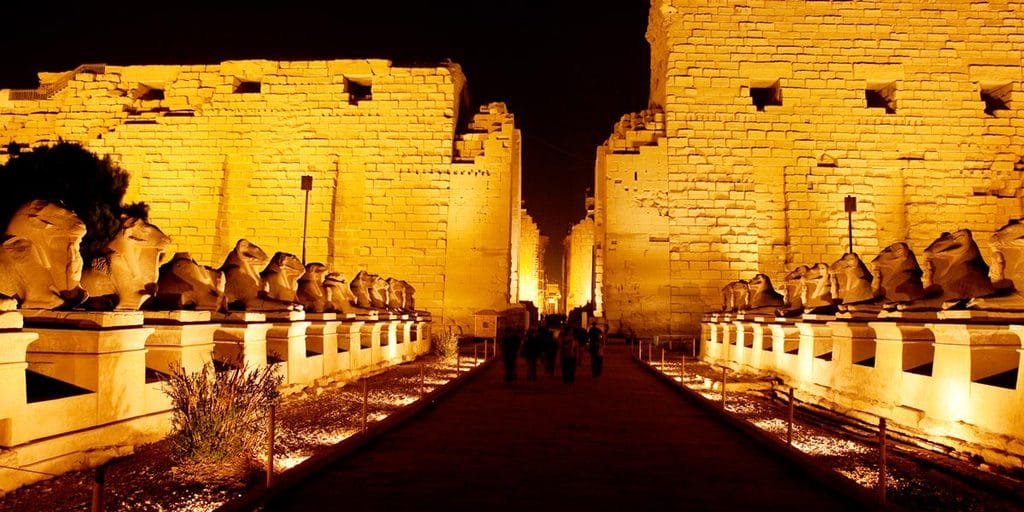
Karnak Temple Sound and Light Show
The sound and light show presents the dramatic history of Karnak and Thebs. The story goes to show the achievements of some great Pharaohs, with poetic descriptions of the treasures of old times. During the course of visitors, Pharaohs rise to narrate stories of their exciting lives and the music flowed secretly throughout this ancient city. The old voices and the voices of poetry tell visitors about the birth of the Temple of Karnak, the heroic achievements of the pharaohs and the god Amun. They are charming and supernatural experience to listen to the voice and staring at the glorious ruins illuminated during the good presentation.
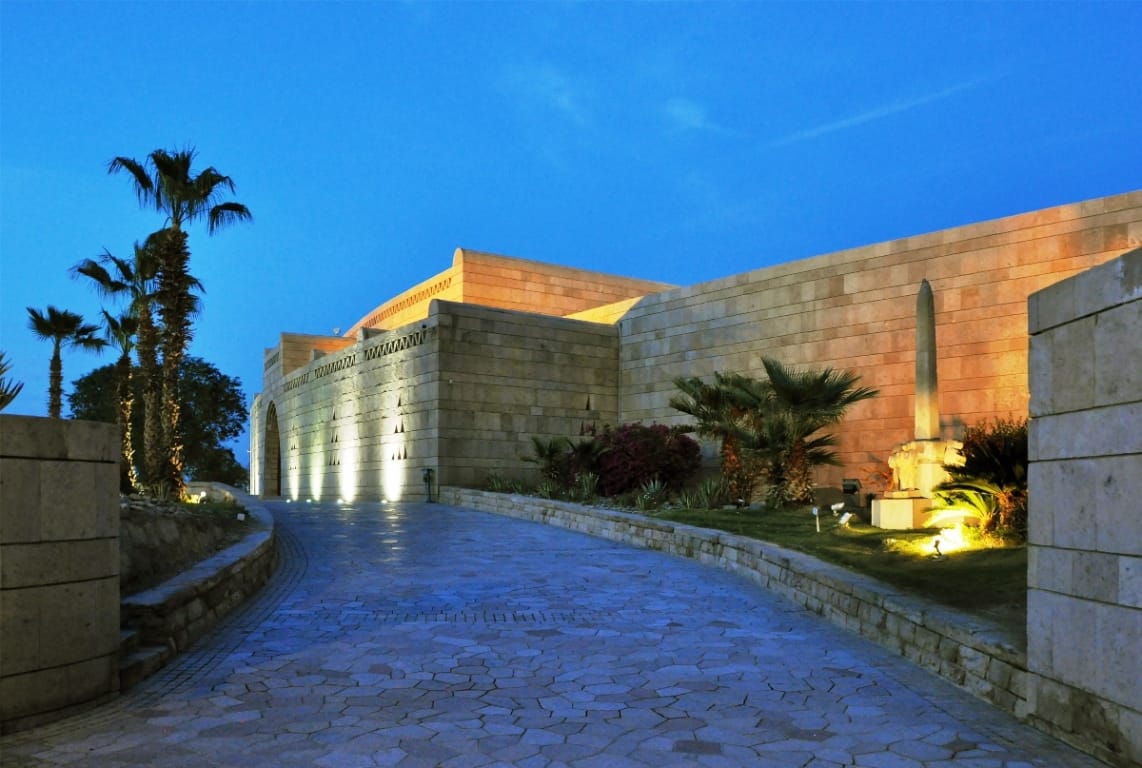
Nubian Museum
it is a treat, a showcase of the history, art and culture of Nubia. Established in 1997 in cooperation with Unesco, the museum is a reminder of what was lost beneath Lake Nasser. Exhibits are beautifully displayed in huge halls, where clearly written explanations take you from 4500 BC through to the present day.The exhibits start with prehistoric artifacts and objects from the Kingdom of Kush and Meroe, Coptic and Islamic art .Among the museum highlights are 6000-year-old painted pottery bowls and an impressive quartzite statue of a 25th-dynasty priest of Amun in Thebes A model of a Nubian house, complete with old furniture and mannequins wearing traditional silver jewellery, attempts to portray the folk culture of modern Nubia.
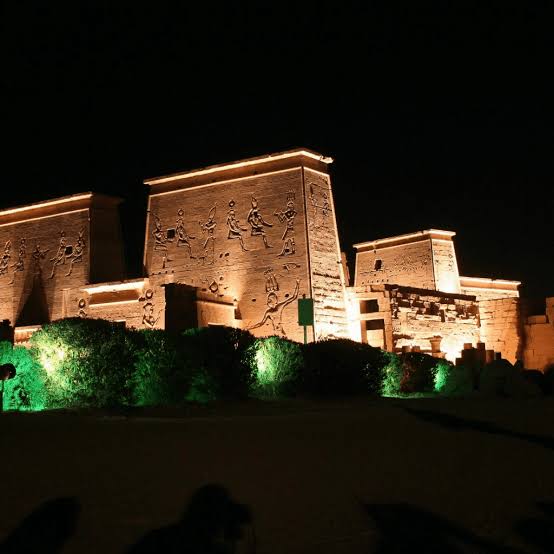
Philae Temple Sound and Light Show
The Sound-and-Light-Show at Philae is like a symphony of illumination. One walks along, listening to a tape telling the legend about Isis, Osiris, Seth, Hathor, Horus, the Nile and the history of Philae. There is a marvels story for this temple, since an early century, the site of Philae was flooded for six months each year. An incredible restoration program was undertaken in the 1960s, and the Temple was moved stone by stone to the current location. Enjoy the spectacular lights of the multimedia presentations which vividly reveals the form and majesty of this ancient site and walk through the magnificent temple as its history is narrated.
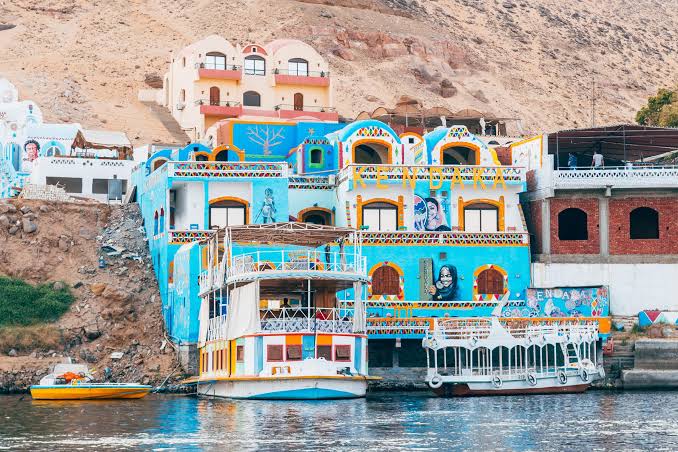
Nubian Village
there are in fact two villages. The first Nubian village is Siou village and the second is called Koti village, both of which run across the center of the island. The two villages are connected by a footpath, and collectively, they are remains of three distinct settlements. Many of the Nubians you’ll find living at either Nubian village were relocated here during the latter half of the twentieth century as construction of the High Dam in Aswan .. These are some of the most colorful places you may ever visit. Mounds of spices are sold from a vendor’s table, small colorful dolls are made by another and tiny cafes with boldly colored plates and cups sell traditional Egyptian coffee. The Nubians are known for the kind and gentle ways and for their welcoming attitude, the Nubians themselves encourage travelers to walk along their garden paths and to explore their villages
Qasr Ibrim
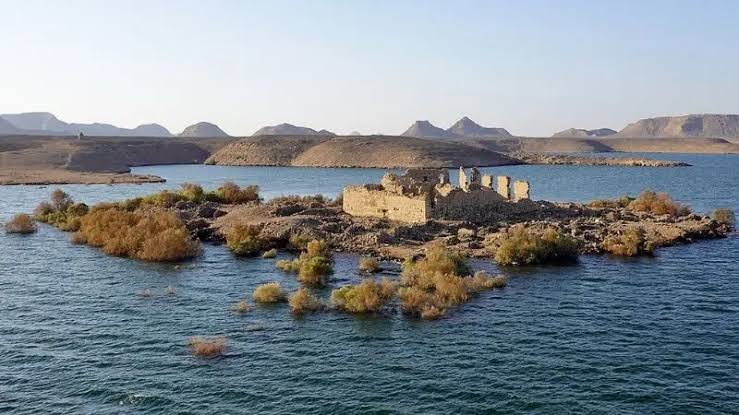
Qasr Ibrim is the only major archaeological site in Lower Nubia to have survived the Nile floods. This important site takes its name from the nearby village of Ibrim, on the east bank of the Nile. Qasr Ibrim is known not only for its organic remains, textiles have also been found at the site. During the Roman occupation of the site sandals, textiles, and leather fragments were left behind. The conditions at Qasr Ibrim have also preserved a large number of documents, including Greek, Arabic, Coptic and Nubian.
The Temple of Dakka
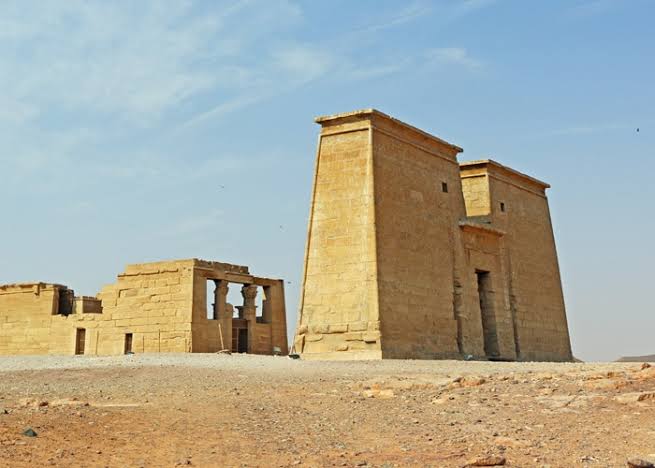
Temple of Dakka, dedicated to Thoth, the god of wisdom in the ancient Egyptian pantheon. The temple was initially a small one-room shrine or chapel, first begun in the 3rd century BC by a Meroitic king named Arqamani .Ptolemy IX”subsequently enlarged the temple by adding a pronaos with two rows of probably three columns.During the Roman period, the Emperors Augustus and Tiberius further enlarged the structure with “the addition, at the rear, of a second sanctuary as well as inner and outer enclosure walls with a large pylon. The Temple of Dakka was transformed into a temple fortress by the Romans and surrounded by a stone wall, 270 by 444 metres long, with an entrance along the Nile.The temple of Dakka collapsed in 1908–1909 and was subsequently rebuilt by Alessandro Barsanti.During the construction of the Aswan dam in the 1960s, the temple was dismantled and moved to the site of Wadi es-Sebua.
Elephantine Island
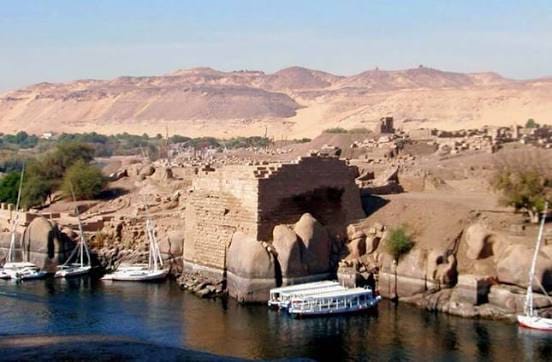
Its name meant both ‘elephant’ and ‘ivory’ in ancient Egyptian, a reminder of the important role the island once played in the ivory trade. The island lies opposite central Aswan, just north of the First Cataract.it was the original ‘border town’ between Egypt and the Nubian lands to the south and in ancient times was an important strategic position both for the defense of the border and as a trading route. A recent building boom has changed its nature, but it remains calm and essentially rural. Elephantine Island can be reached by felucca from anywhere along the Corniche, or a motor boat from a landing near the telephone office. There is a private ferry which goes to the Oberoi Hotel but this lands inside the hotel enclosure.
Kalabsha Temple
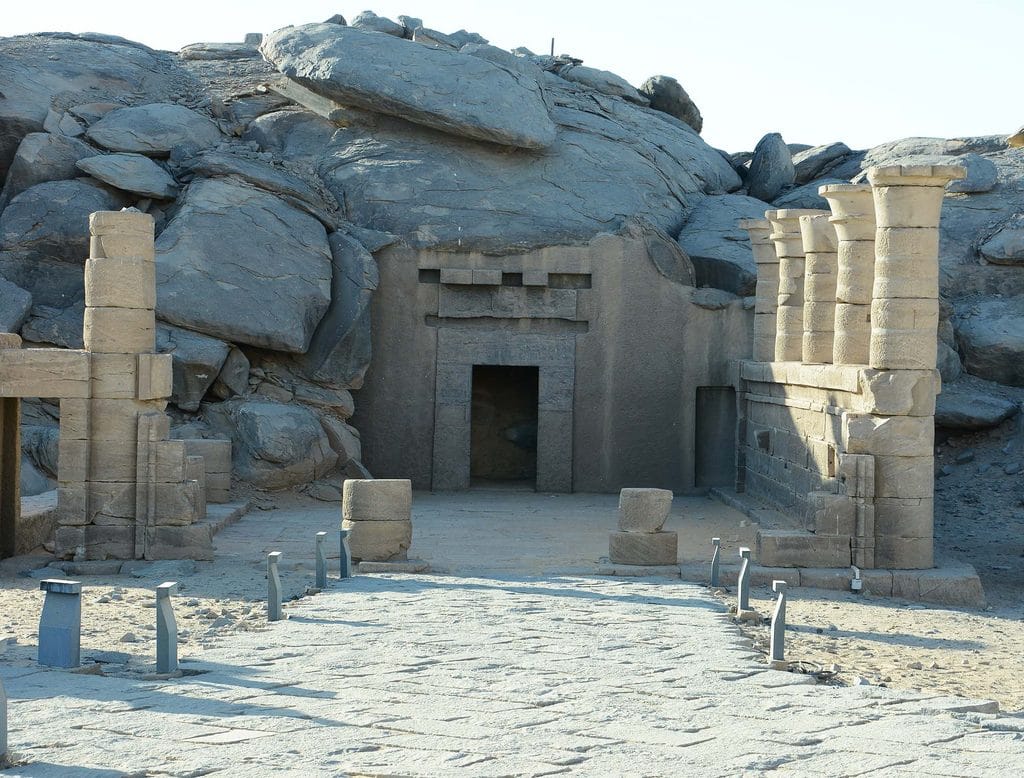
Kalabsha temple is located on an island in the middle of the Lake Nasser, next to the Aswan High Dam, and around 16 kilometers from Aswan. Due to the construction of the Aswan High Dam, the temple was relocated to protect it from the rising waters.The temple was dedicated to the Nubian god Mandulis and it is the biggest free standing temple in Nubia.Because the temple was built under both Egyptian and Roman ruling, the final results are very interesting. There are Egyptian and Roman images depicting both Roman Emperors and Egyptian Pharaohs worshipping the Egyptian gods.The temple has stairs to the roof and visitors can admire a breathtaking view of the lake and the High Dam.
Temples of Amada
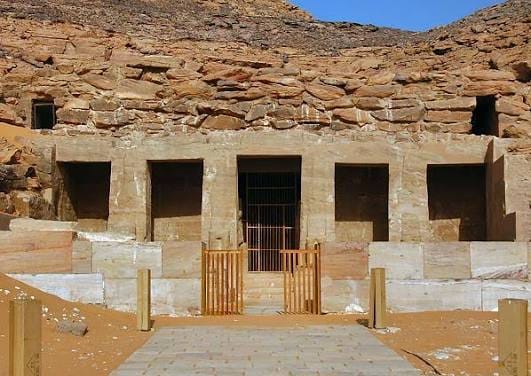
The Amada Temple is the oldest temple ever discovered in Nubia. it was originally built by Pharaoh Thutmose III who ruled during the 18th dynasty to the gods Amun-Ra and Ra-Horakhty.it has to be said that the temple is home to some beautifully preserved features, including several very fine cut reliefs featuring vibrant colors.The Temple of Amada, moved about 2.6km from its original location, is the oldest surviving monument on Lake Nasser
Wadi El Seboua
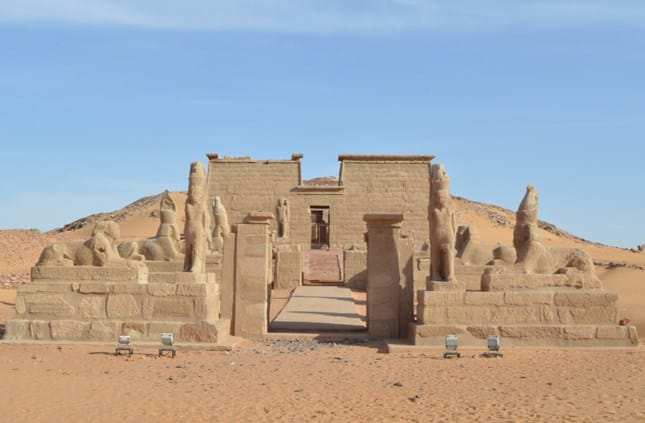
The name is referring to the avenue of sphinxes that leads up to this temple, which was built during the reign of Ramesses II. The affect of its unkempt appearance and remote location is to give visitors the feeling that they are themselves discovering this temple for the first time.The temple is partially constructed out of stone blocks, but the inner sanctuary is actually carved into the bedrock. Originally, the temple offered three pylons, but only two of them survive.This site is notable because of the huge and well-preserved pylon that remains here. You can climb on top of the pylon to enjoy impressive views of the surrounding landscape with the desert in one direction and the lake in the other.
The Tomb of Penout
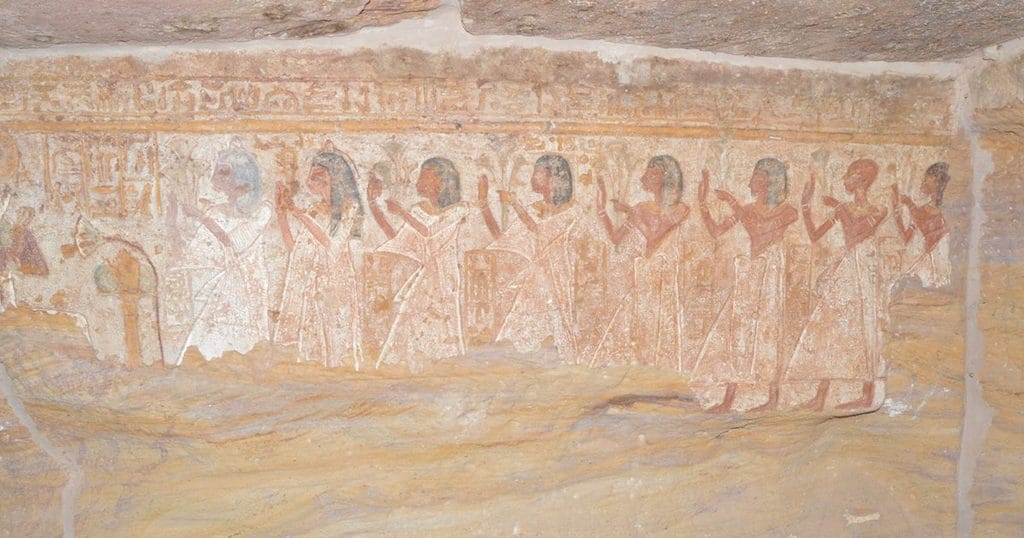
The Tomb of Pennut is located in Aniba, South Aswan, near Amada Temple. This tomb belongs to one of the officials who lived at the time of Ramsis IV and was called Pennut; he was the overseer of the province of Aniba.The tomb is a kind of rock cut tombs. It is consisted of antechamber, then a niche where there are the remains of three destroyed statues.The chamber has scenes of Pennut offerings to the gods at that period, and others that represent the funeral and the final judgments. However, large sections of wall inscriptions have been cut away, leaving visitors with more curiosity.
Pages: 1 2